
Blog
Food vs. Medication: How Your Diet Can Affect Prescription Effectiveness

You take your thyroid pill the same way every morning, then pour a coffee and get on with your day. The routine hasn't shifted in months, but your last few blood tests have, and the dose keeps climbing. Nothing about how you take the medication has changed, so the medication itself looks like the problem.
The coffee is doing more than waking you up, and the interaction it triggers is easy to miss. Food and medication interactions change how much of a medication reaches your blood, and they rarely appear on the prescription label. The gap between the dose written down and the dose your body absorbs is where a lot of stalled treatment hides.
This is how diet affects prescription effectiveness for a lot of people. None of this arrives as a dramatic reaction that would send anyone rushing to the pharmacy. Blood work drifts, a symptom lingers, a dose gets adjusted upward, and the food on the table never enters the conversation.
Why "Take with Food" Leaves Gaps
Prescription labels carry short instructions like with food, without food, or avoid alcohol, which is useful as far as it goes. What they can't fit on the sticker is which specific foods change the drug, and by how much.
Some foods prevent a medication from being absorbed at all. Others slow the enzyme that clears it, so the medication accumulates higher than the dose intended. A few, like grapefruit, act strongly enough that one glass can alter a dose for a full day.
Some of that label wording does earn its keep and ignoring it entirely would be a mistake. A few drugs are tolerated better with food, and a couple absorb more when a little fat is present. But with food and without food still describe only part of what the meal is doing.
Grapefruit Isn't the Only Culprit
Grapefruit gets singled out for good reason, since compounds in it, called furanocoumarins, switch off an enzyme in your gut wall named CYP3A4. The enzyme normally metabolizes part of each dose before it reaches your blood, so disabling it lets more of the medication through.
The list of affected medications runs well beyond grapefruit alone.
Researchers at Western University tracked drugs carrying a serious grapefruit interaction, and the count climbed from 17 to 43 in four years. Statins like atorvastatin (Lipitor), several blood pressure medications, and some transplant drugs appear on that list.
With a statin, the extra medication in your blood raises the odds of muscle breakdown, the reaction responsible for hospital admissions. The size of the effect varies from person to person, depending partly on how much of that enzyme your gut carries. The same glass of juice then does little to one patient and a lot to another. Older adults on several medications face the highest risk, since more of the affected medications pile up in one routine.
Spacing the fruit away from the pill doesn't rescue it either. The furanocoumarins disable the enzyme for a day or more, and your body has to produce fresh enzyme before normal clearance returns. Seville oranges and pomelos behave the same way, which catches people who dropped grapefruit and assumed they were safe.
When A Salad Shifts Your INR
Choosing to eat healthier can quietly work against one common medication. Warfarin (Coumadin), a blood thinner, operates by blocking vitamin K, the nutrient your body uses to form clots. Leafy greens carry a lot of vitamin K, so more salad and kale deliver extra of what the medication is suppressing.
The fix isn't to swear off greens because provincial prescribing guidance calls for a steady weekly amount of vitamin K, not zero. A patient who eats a spinach salad most days is easy to dose around. It's the swing, a heavy-salad stretch after weeks of none, that destabilizes the blood test.
Greens aren't the only warfarin trigger on the plate. Substantial amounts of cranberry or alcohol can push the blood too thin, and even grapefruit reappears here. A single swing in any of them can knock a well-set dose off balance, which is why consistency beats any one food rule.
This is one reason warfarin requires regular blood tests in the first place. The newer blood thinners, like apixaban (Eliquis), operate through a different route and don't react to vitamin K the same way. None of that makes them the right selection for everyone, and the choice belongs with the prescriber, not the salad bowl.
The Half-Hour Window for Thyroid Pills
The morning thyroid pill needs more room than most routines allow. Levothyroxine (Synthroid) replaces thyroid hormone, and it absorbs well only on a completely empty stomach, taken 30 to 60 minutes before anything else. Coffee taken inside that window reduces the medication's absorption by roughly a third. Calcium and iron are worse, and they require a four-hour gap from the dose.
Most people build the opposite routine because it saves time, with pill, coffee, breakfast, and a calcium chew all inside ten minutes. The dose creeps upward at the next appointment while the real variable sits in the coffee cup. What almost never gets asked, in that visit, is what landed on the plate.
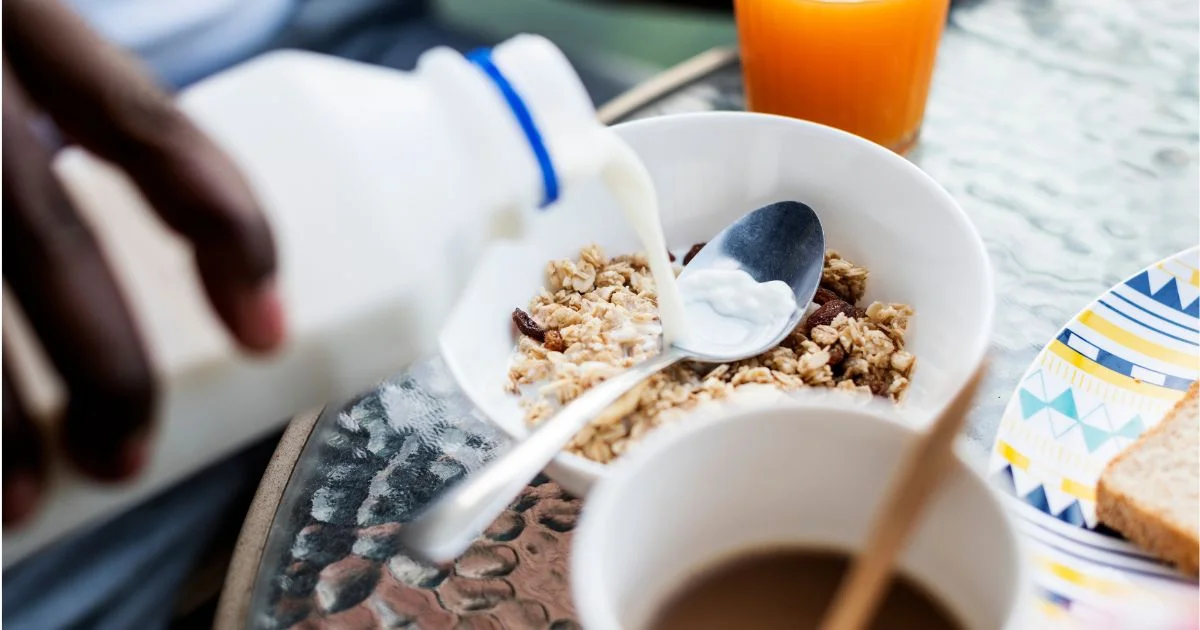
The rest of breakfast matters nearly as much as the coffee beside it. A high-fibre cereal or a soy-heavy meal reduces absorption the same way, so a healthy morning plate can undercut the tablet. None of these foods are forbidden, they just belong outside the window right after the dose.
There's a way out that doesn't involve staring at the clock before breakfast. Some people take levothyroxine at bedtime instead, hours after the last food, and studies find that works about as well. Consistency matters more than perfection, so the same timing every day beats a perfect window kept twice a week.
Minerals That Cancel Each Other Out
The trouble doesn't stop at the boundary between food and prescription drugs. Two supplements can obstruct each other in the same glass of water. Calcium and iron absorption run through the same narrow path, so a combined tablet often delivers less of both than the label promises. You swallow the full amount, but your body only absorbs a share of it.
Iron encounters other absorption blockers well beyond the calcium problem. Someone taking it for low iron who washes the tablet down with coffee or tea absorbs noticeably less, since the tannins bind the mineral. Move the coffee an hour later and the same tablet accomplishes more.
This adds up fastest for anyone taking several supplements at once. A morning handful of calcium, iron, magnesium, and a thyroid pill can leave each one working at a fraction of its dose. Splitting them across the day, some at breakfast and some at night, recovers more from the same tablets.
Some antibiotics encounter the same obstacle, binding to the calcium in dairy or a tablet and forming a clump too large to absorb. A glass of milk alongside that medication can waste part of the dose. It's the same reason a look at which supplements actually earn their place usually trims the pile instead of adding to it.
Timing Fixes More Than Cutting Foods Out
Most of these diet-and-drug problems answer to spacing, not to giving foods up. Getting the levothyroxine and coffee timing right means a gap of an hour, and keeping the warfarin greens steady does the same. The pills and the food both still happen, just not in the same ten minutes.
Grapefruit remains the single clear exception to the spacing approach. Because your body has to grow new enzyme to recover, no spacing clears it, and the affected medications mean avoiding the fruit outright. For those, a swap to a non-interacting medication is sometimes the cleaner route, and that's a prescriber conversation.
A written list of when each thing goes down, taped inside a cupboard, resolves most of it. Even a rough one beats keeping the whole schedule in your head. The harder part is spotting which foods matter in the first place, and that's rarely obvious from the label alone.
Where Food and Medication Interactions Get Caught
Most food and medication interactions surface during a full medication review, where a pharmacist examines everything at once. Not the prescriptions alone, but the coffee, the calcium chew, the iron tablet, and the greens that shift with the season. Someone can take every medication exactly as directed and still lose part of the dose to timing. The answer is often a schedule change, not a stronger prescription.
A review works from the whole list, prescriptions plus the over-the-counter extras and the supplements people forget to mention. Someone slides a bag of bottles across the counter, and the timing conflicts appear fast once they're lined up together. The change is often small, a pill moved to bedtime or a supplement shifted to lunch, with no new prescription at all. The routine ends up looking much the same, only rearranged so the collisions stop.
That seasonal swing appears strongly in this region. Someone loads up on greens from the St. Jacobs market all summer, then drops them by winter. A stable warfarin dose can drift twice a year on that swing alone. The same logic runs through the more familiar drug-on-drug problems people already know about, and food belongs on that list too.
If your blood work keeps drifting while you're taking everything as prescribed, book a medication review at Cook's in Kitchener or Guelph. Bring your supplements and your usual breakfast into the conversation.




Contributors

Latest Posts
Show All Recent Posts
Archive
-
2026
-
October
-
September
-
August
-
July
-
June
-
May
-
April
-
March
-
February
-
January
-
-
2025
-
December
-
November
-
October
-
September
-
August
-
July
-
June
-
May
-
April
-
March
-
February
-
January
-
-
2024
-
December
-
November
-
October
-
September
-
August
-
July
-
June
-
May
-
April
-
March
-
February
-
January
-
-
2023
-
December
-
November
-
October
-
September
-
August
-
May
-
April
-
March
-
February
-
January
-
-
2022
-
December
-
November
-
October
-
September
-
August
-
July
-
June
-
May
-
April
-
February
-